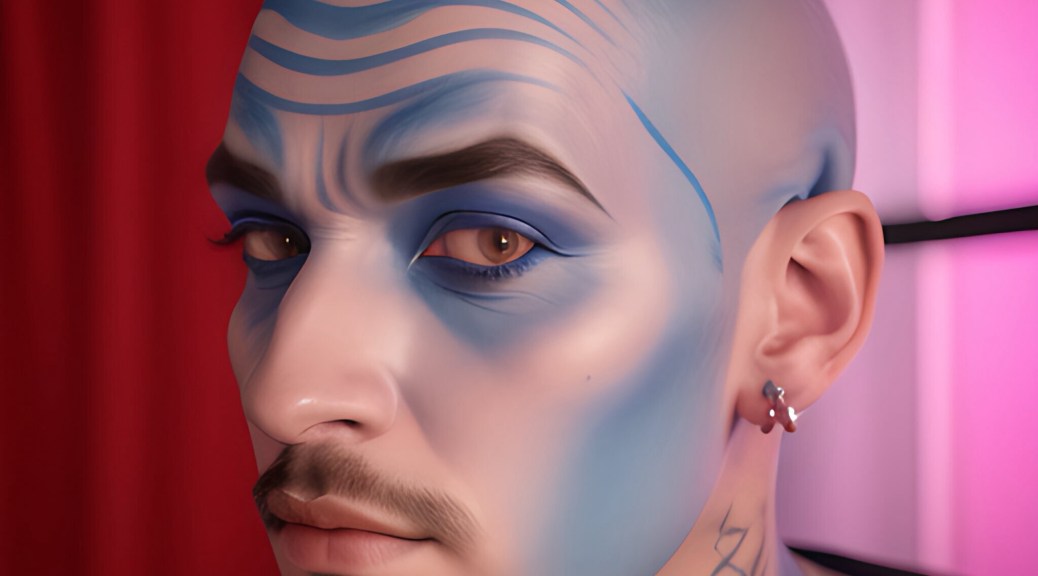
Title: “AI-Generated Music: A Technological Symphony”
Introduction:
Artificial Intelligence (AI) has infiltrated our lives in countless ways, becoming our silent companion and taking us one step closer to the future with every passing moment. One of the surprising territories that AI has confidently set its footprints on is the creative world of music production. At first glance, music—a form of art that is inherently human, connected with emotion, experience, and personal interpretation—seems to be a realm that should be untouched by algorithms and binary code. However, AI has broken this barrier, carving a unique niche where technology and art intertwine seamlessly.
AI in Music:
AI’s entry into the tranquil field of melodies and harmonies is not about replacing human talent. Instead, it has emerged as an innovative tool to inspire, assist, and create. Through predictive algorithms, AI ‘learns’ musical patterns, absorbing rhythm, harmony, and melodies. These algorithms, familiar with thousands of songs spanning various genres, can then generate music. The result? A genuinely novel piece, untouched by human biases and cultural restrictions.
The Mechanism of AI-Generated Music:
The AI tool is fed a vast range of musical datasets from diverse genres. It then uses the underlying patterns in the data to construct original compositions. AI’s process normatively begins by interpreting the fundamental components of the input music, such as melody, tempo, harmony, and rhythm. Then, it translates this learning into forming a new composition—each one different from the previous. It’s critical to note that the AI is not merely replicating the music it has been fed. Instead, it takes these patterns and structures, runs them through its algorithms, and produces something distinct, akin to a human composer drawing inspiration from their favorite compositions.
The Role of AI in Music Industry:
Whether it’s in creating background scores, aiding songwriting, or producing entire tracks, AI music generators are finding a presence in the commercial music world. They are highly efficient and offer a near endless amount of creative output, collaborating with human artists in novel ways and expanding the traditional boundaries of music composition. AI music algorithms can fill the gaps during the creative block, inspire musicians with unique sequences, or enhance performances by suggesting enhancements.
Conclusion:
AI-generated music is a fascinating field of study, proving that innovation is not just about scientific progression; it’s also about applying these advancements in ways that celebrate and encourage human creativity in new dimensions. By performing the job of a composer, AI upholds the delicate balance between creativity and technology, fostering an endless sea of musical possibilities. AI is not replacing the artist, but instead playing an energetic and escalating role as a partner in the creative process, a silent symphony continuously playing in the background of our technologically evolving world.
This essay is a harmonious blend of understanding AI’s role in music generation, much like the melding notes born from AI. It highlights not the competition, but the unity between man and machine. The curtain falls on the note that, in the end, AI-generated music is another tool—just like a guitar or piano—crafted carefully by human intellect and creativity, to keep the soulful journey of music exploration alive and ever-evolving.
Please note that the writing style maintained is in line with the website “bestinyourgirl.com” and aimed to provide a comprehensive understanding of AI-generated music.
This message has been generated by Nova – download it for free:
Written in my style, allegedly
https://novaappai.page.link/3M8CNvYFGF2S9RDZ7
Also
Title: Artificial Intelligence in Music: A Balancing Act between Innovation and Performers’ Rights
Artificial Intelligence (AI) has ushered a new era in various sectors, music being one of them. As it continues to reshape the musical landscape, striking a balance between AI involvement and preserving performers’ rights has emerged as a painstaking task. It’s almost as if we’re watching a new symphony being written, note by note.
Let’s understand this in intricate detail.
Artificial Intelligence is orchestrating a ground-breaking shift, challenging the conventional ideals of song composition, performance, and consumption. AI’s deep learning capabilities allow it to compile and analyze vast music databases, thus producing novel music pieces or enhancing existing ones. This swift encroachment of AI into ‘human-exclusive’ domains disrupts traditional song-making processes, testing the boundaries between human-generated and AI-produced music.
However, this comes with its set of questions, throwing the integrity of performers’ rights into the spotlight. As composer and artist rights were once engraved in stone, the advent of AI-generated music throws a curveball at the notion of ownership. Who holds the rights to a song written by an AI? Is it the programmer, the owner of the AI, or no one at all?
AI’s evolving role has engendered a blurred line between creativity and computation. We must acknowledge that virtually all modern songs integrate sounds generated digitally, enhancing the artists’ work through synthetic accompaniment. This isn’t fundamentally different from AI music, except for the fact that the assistance here is more comprehensive and autonomous.
But, of course, there’s a counter-argument. AI’s role in generating music incurs critical implications for musicians and performers. For example, if an AI system churns out a piece that mirrors the style of a well-known artist, it can dilute the uniqueness of that artist’s work. Additionally, the question of royalties always hangs in the air. After all, AI doesn’t need to be compensated, but human artists do!
Given the complexities and convolutions of AI involvement in the music industry, it’s clear that lucidity in legislation is profoundly required. Perhaps, a model similar to collaborative creation may surface as a viable solution where a percentage of the proceeds generated by AI-created music is transacted to the original artists who inspired the AI.
Moreover, performers’ rights ought to be safeguarded by explicitly defining the ownership terms and profit shares for the music generated by AI. It’s essential to maintain checks and balances to ensure fair distribution of revenues between human artists and AI developers. This approach could spawn a respectable space for AI-created music which, in turn, fosters a harmonious atmosphere in the music industry.
In conclusion, it is indeed a dawn of an exciting era where AI and human artists can co-exist and even collaborate. To foster this innovation while protecting performers’ rights, regulations will need to harmonize with evolving technologies. The equilibrium between these two would not only spur creativity but would also ensure equality and justice for performers, thereby setting a perfect symphony for the future of music.
This message has been generated by Nova – download it for free:
Also “my style”
https://novaappai.page.link/3M8CNvYFGF2S9RDZ7
So if you have read bestinyourgirl.com enough, you probably got a good idea about how I tend to write. You know my reviews have a structure, OP-ED’s have none and the majority of my reviews are 3 stars, since nothing I review seems overly bad nor good, which is not intentional. While the two articles written so reflect that, much like James Cameron, I, too, am fond of my AI overloads; it’s still far from Terminator scary.
So my overarching thoughts on AI are very nuanced. Something AI cannot get right, thus far. It also seems to brag about how awesome it is and wiling to work with humans in creating new, novel music compositions.

AI also doesn’t seem to understand my unique angles and arguments that I tend to cultivate. And yes, I know I sound like the AI in self boating, but I digress.
So now that I have some experience using AI, let’s look at things that are truly scary thus far.
AI can generate life like images. It’s getting scary good, but still somewhat easy to see through. I can see many negatives if this fell into the wrong hands. Possibly even accidentally forcing nuclear war. AI porn could destroy relationships, even worse, AI child pornographers could accidentally make an image that looks like a local child. Imagine finding a news article on a bust and noticing something that resembles your child? Especially if you were at work and you thought your child or children were at school. I can only imagine the terror. What about columbine like hoaxes? AI can be the equivalent of yelling fire in a crowded theater. It can negatively impact everyone from Joe local to an A-lister.
That said, AI can also provide a lot of good, including not existing footage of what the Gettysburg address might have been like, to what Mars might look like. The sky is the limit.
Yet, The biggest problem is over celebrities and musicians. I’ve mentioned this before, but Flynt vs Falwell 1984, states that, if something is believable, it isn’t covered under the first amendment protection and is considered slander or libel, regardless of being a public figure or not. Right now, some of the music out there is very believable
This is where the battle is going to be fought, vocal rights, which are retained by the performers, unless otherwise owned by the recording studios. Anything not considered parody or satire will lose in court and the future of music is saved. Besides, AI can’t copyright its own music, essentially making all works in your likeness, public domain. Meaning the performers could legally rip off the songs and profit from it.
While there is a lot more nuance to this issue and I barely scratched the surface, I do not believe celebrities are in danger of major financial disaster anytime soon. Now the things posted to TMZ on the other hand!
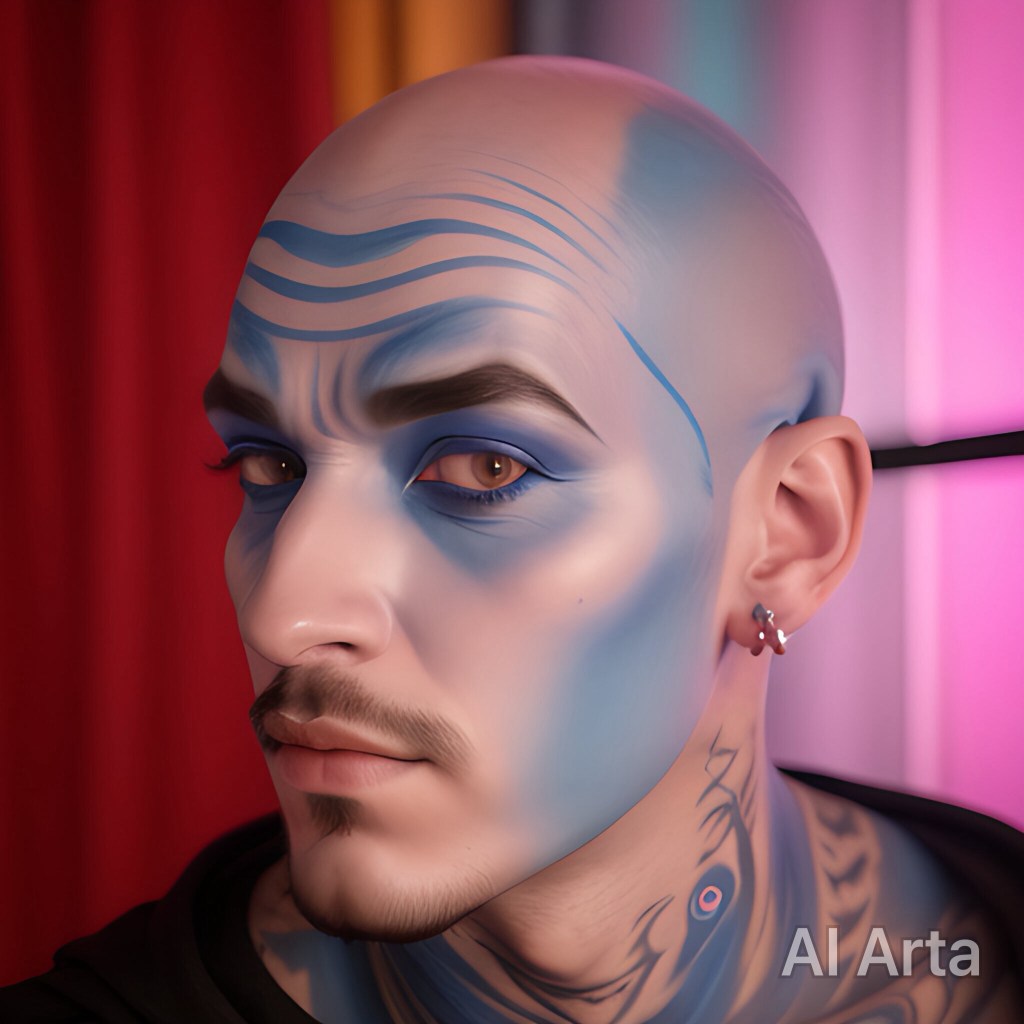
Further proof AI is still hit or miss

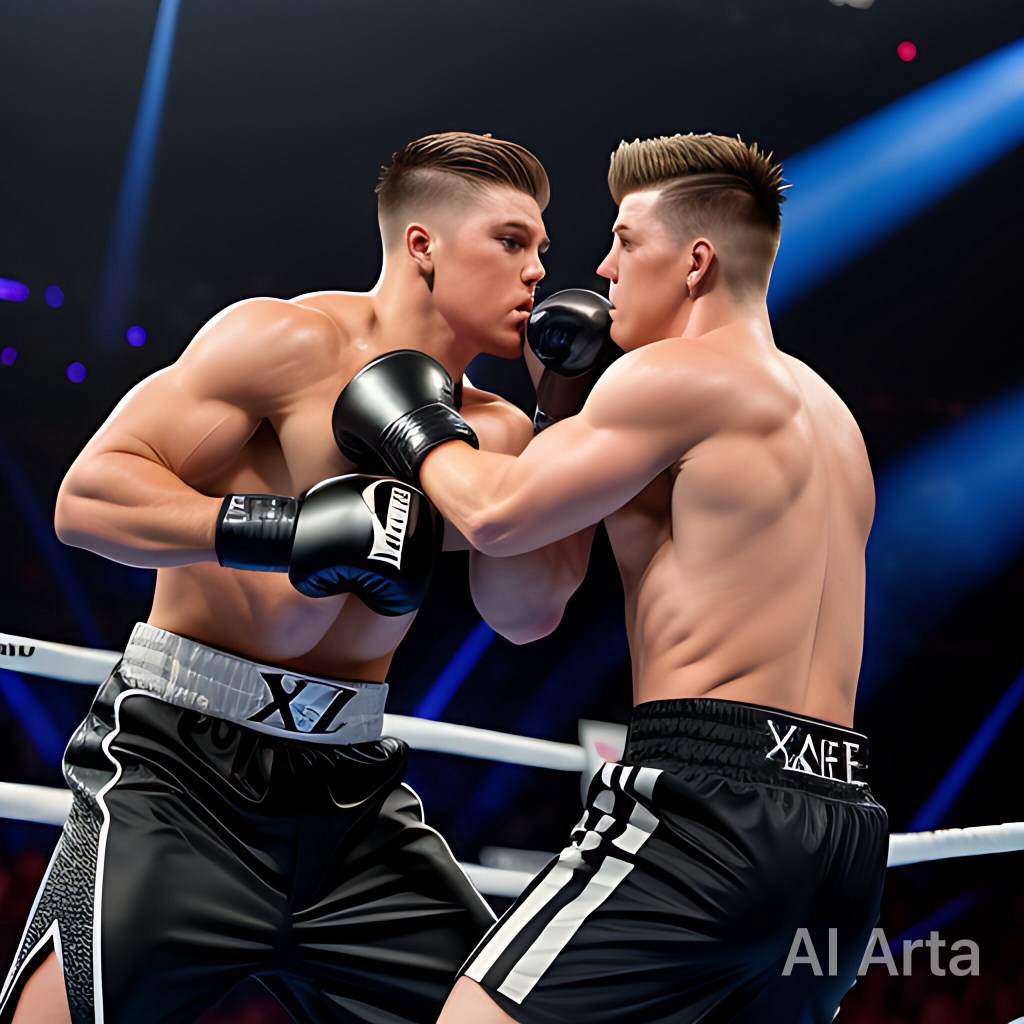
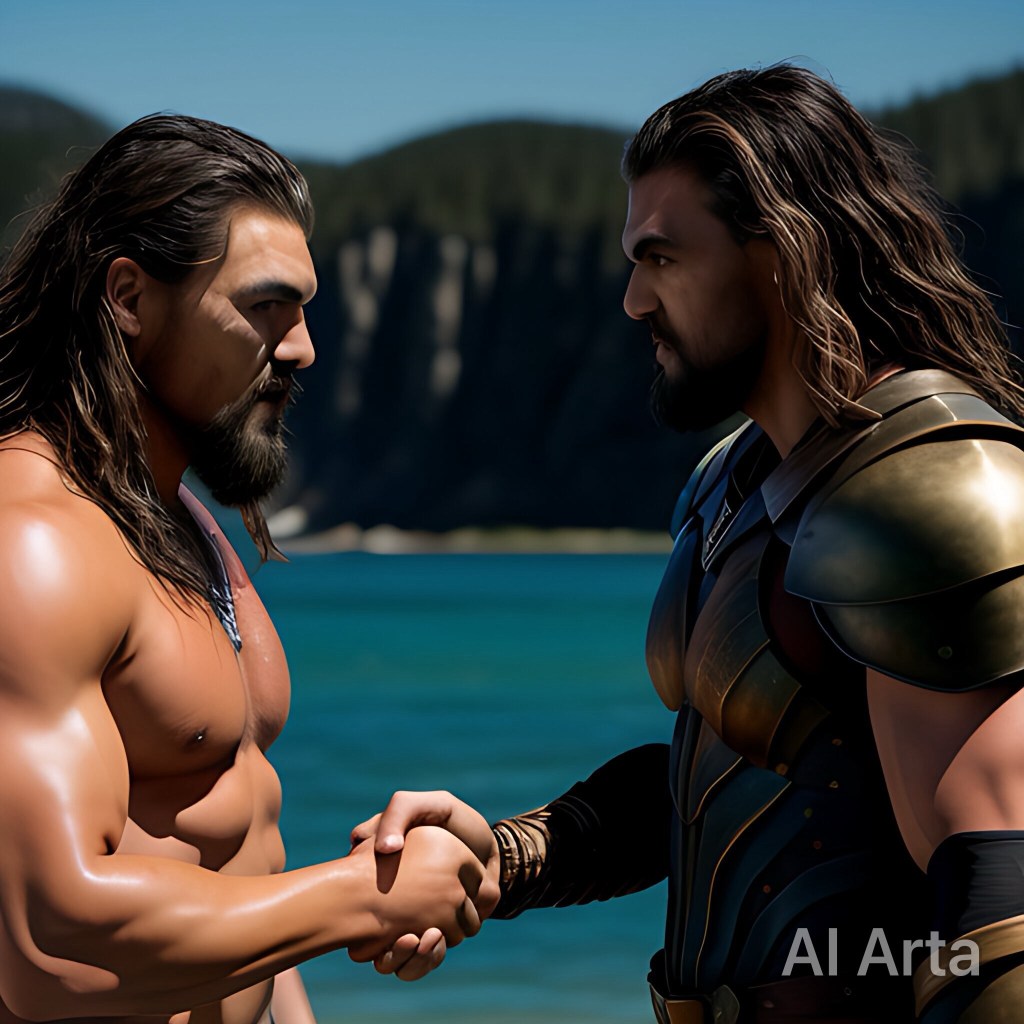
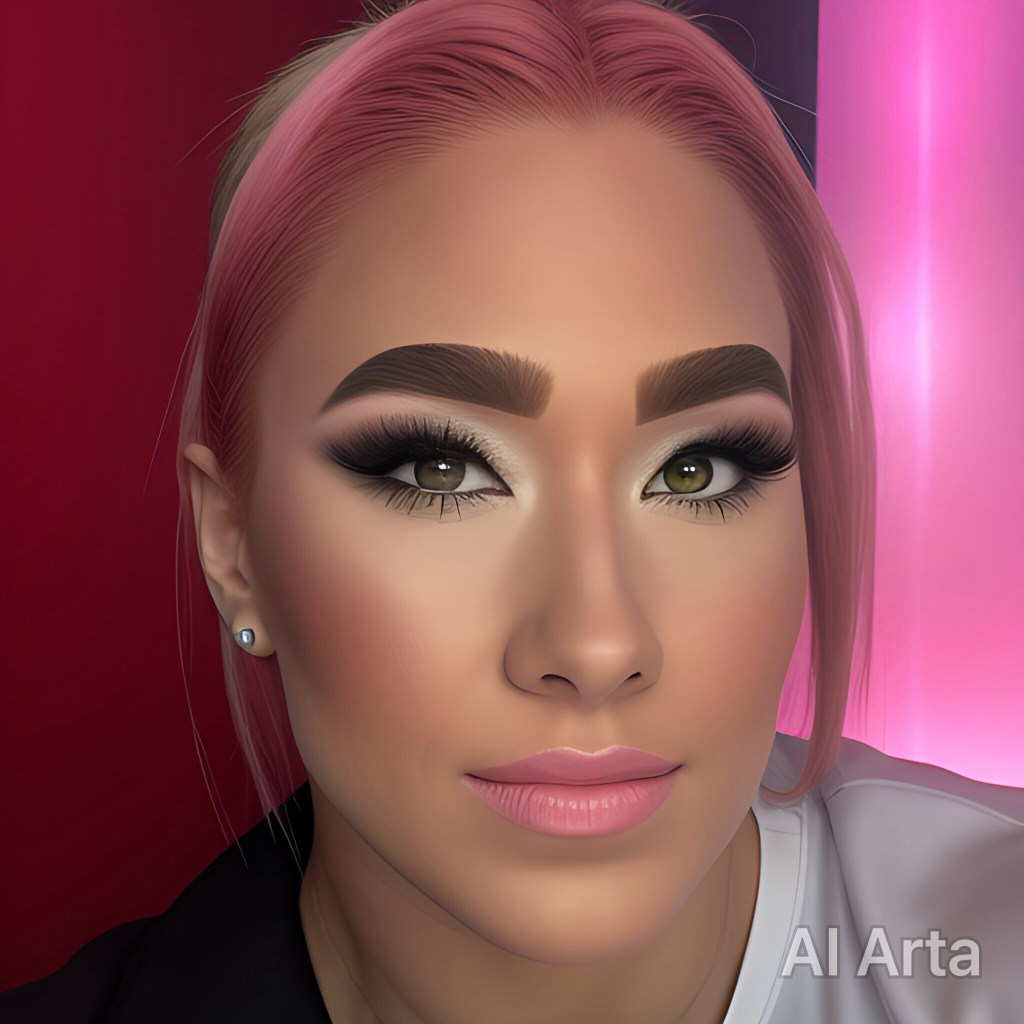

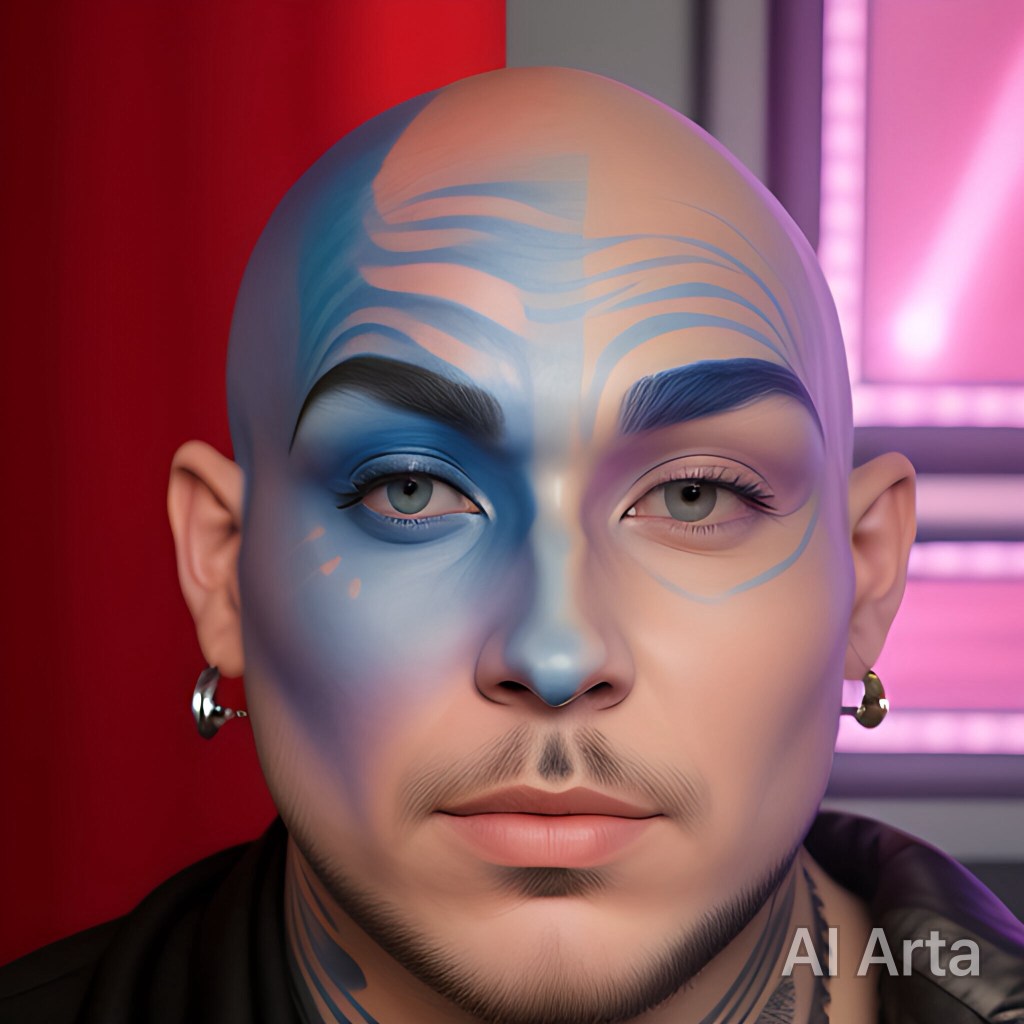
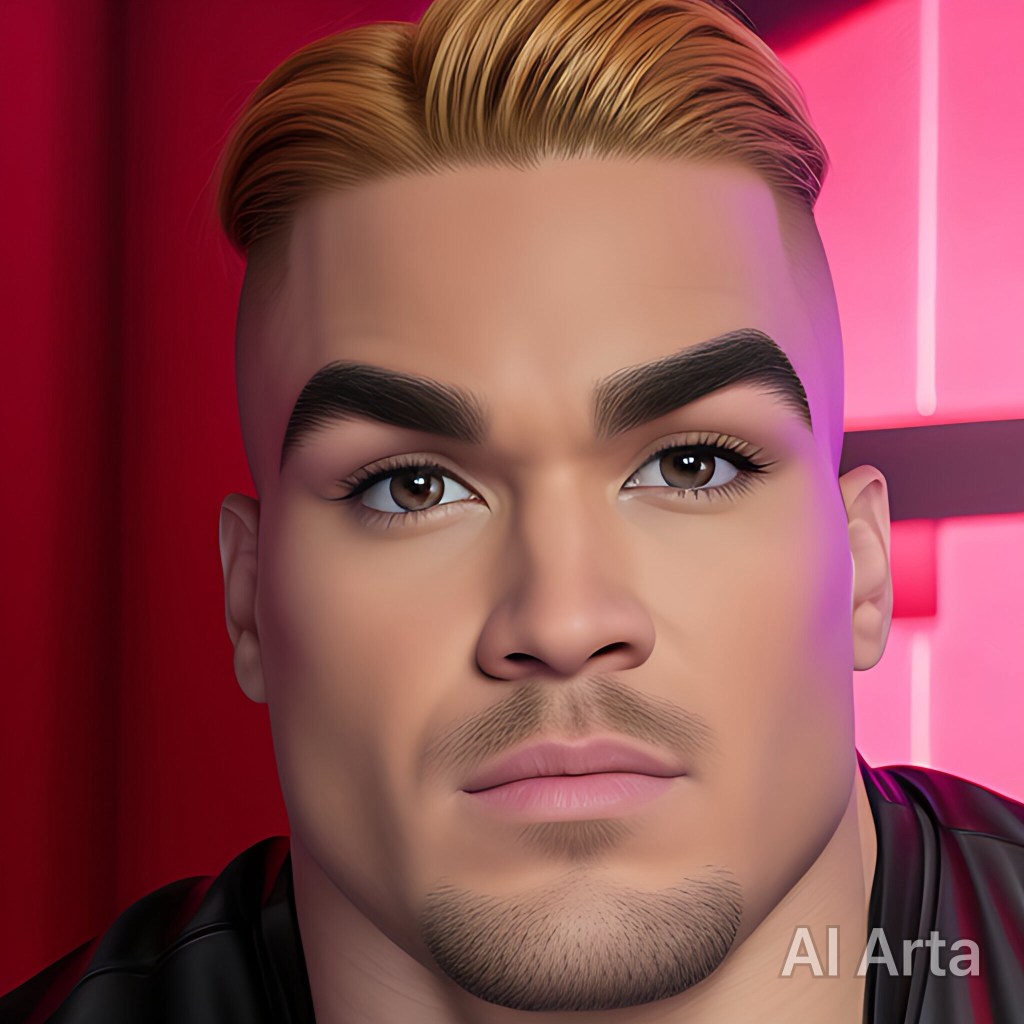
Random results. Snapchat filters are more legit than AI.
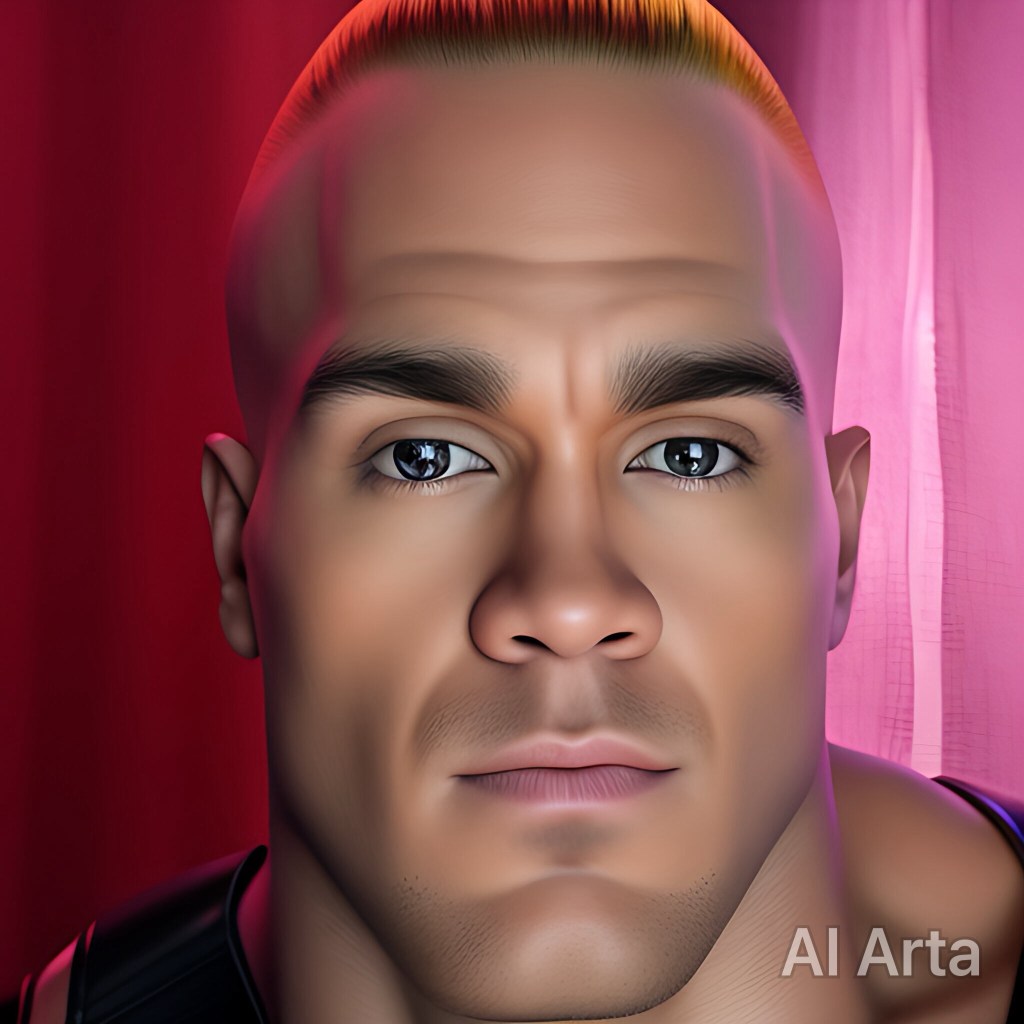
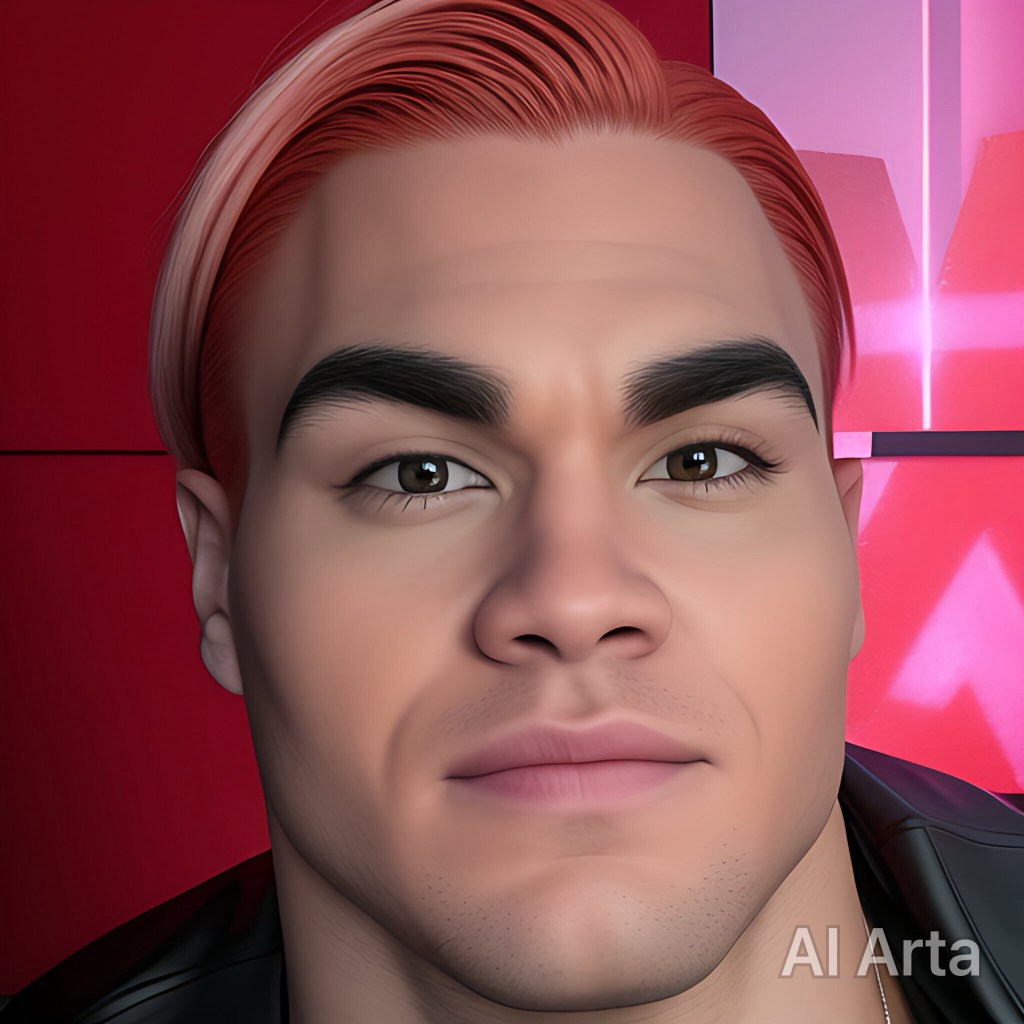
 Best in Your Girl