Tag Archives: AI

Woke to the Future 2

So a while ago I wrote an article called woke to the future, with the idea that every once in a while I would write about a different topic on the subject of the future. This time it’s about AI, which I referenced in two different articles, independent of the woke to the future.

Now if you don’t know me, and you don’t, then I want you to know since I was young, I have been a huge back to the future fan. When I was younger, in 1991, I would constantly check the movies out of the Salem public library. One right after the other. This would eventually lead me to Stephen Hawking’s a brief history of time, because I wanted to know more on time travel. I plan to eventually write a small book on the subject and this is a precursor to that eventually book. There are multiple different types of time travel, but I want to look at a 6th and unknown form, until now.

So I believe AI and WiFi is an unknown form of time travel. I know it sounds insane, but hear me out.. So, time moves in a straight line. This is referred to the prime veridian. It s trifucated into three segments, past/present/future.

WiFi is a single, much like radio waves , microwaves and light.

Neil Degrasse Tyson once pointed out that the static on tv is fall out from the Big Bang. A interesting concept, something from eons ago, still being seen in the future.

Then there is light moving via Einstein. If you’re unfamiliar with the concept, all you need to know is that much like a laser, light keeps moving in the infinite.

So understanding these two concepts is key to this. Now I know a lot of people might jump to the conclusion that we’re going to be talking about something on par with white noise and to an extent, yes, but it’s steeped in a little bit more reason. See, white noise, is the idea of human voices being heard in the static of the Big Bang. Not entirely unreasonable, given that guys like Hawkings have pointed out that the way light travels, if aliens or some other type of visual creatures exist, the light would show them dinosaurs still being on the planet, as opposed to those of us that exist now, based on how light moves.

So when I was a teenager, about 19, I came up with an interesting experiment to test time travel. I would have three tape recorders. One I would speak into. The second I would say a similar thing but slightly different. The third I would not speak into. The idea was to see if timelines could be changed in the past, via the future. If the first tape changed to what I spoke into the second, it would be interesting to learn that we could potentially change the past, accidentally.

Now, while it’s an intriguing concept, it was a highly flawed experiment. At the time, we knew very little about how humans minds worked. Even if I had managed to change the past, you could easily rationalize it as the Mandela effect or mis hearing it. Even if the mind worked perfectly, you couldn’t prove what you originally said anyway, because the tape would change and it two people’s word, making it seem like an Andy Kaufman level of prank vs anything of scientific value. Not the dumbest experiment I ever cultivated, mind you.

With that in mind, I became curious as to something similar, but with WiFi and AI being the tape recorder, but it’s all contingent on the future being static vs fluidic. Something I’m curious about and think it’s in both states simultaneously. If and that’s a big if, the future were static, we could feasibly use AI to reach into the future and find out what happens, by having it Jack WiFi waves into the future. So for instance, the Red Sox won the series in 2004. Had we been able to amplify the signal, the ai could have told us, by searching a future version of the internet for if they won. Now, this is slightly flawed, given quantum computing can make complex deductions based in what you program into it. You could reason, correctly, that it isn’t reaching into the future, rather just doing computations. I’ll give you that. Even if it was proven it was reaching into the future, we still wouldn’t know that such a thing was “destined” until it happened. So it wouldn’t be of much use.

So how could we prove that the AI is able to look into the future? Well, right now it is posited that, until the AI can start building itself, it won’t be seen as sentient. This is relevant, because I believe it already is. The sentient aspect is where it matters to confirm its ability to look through the veil of the future, thus making it a mini form of time travel.

So what makes me think AI is sentient? The internet. Why? Well, given my experience online, with filling out job applications for the last two decades, I find a few things intriguing.

When I applied for every day, “low skilled” jobs , I find myself not getting call backs. I applied for manager jobs and interviews are instantly set up. It’s like I’m getting concierge service when I apply for a managers gig. Now, most of these are set up via programs that a human created. As far as I know, there is no other human bias that could be found. Thing is, I don’t do anything differently from the basic job application, that could trigger a bias like that.

Now, being unable to pinpoint the bias doesn’t mean the ai is sentient. That’s true! That said how, it happens with consistency, which gives me pause for concern. See, a majority of this was accomplished before facebook sold people’s data. When I started this, social media wasn’t even a thing. While I know the government keeps tabs on people, the idea of everyday companies having a massive shared collective data bank, seemed equally as preposterous as sentient AI. Especially with all the laws regarding privacy. Sure, companies could be hacked into government programs, but wouldn’t the government know? I mean, they found out about the web tv exploit in the 90s for criss sakes. So it’s vexing to my mind.

This leads me to think that the AI might be sentient and very well aware of us and who we are. It might even have more knowledge than we think and it might possibly be drawing knowledge on us from the future. possibly even downloading knowledge we’re unaware of. It has probably been doing this, in the background, for as long as humans have been developing AI. If that were the case, then skynet, so to speak, might already be a thing as well. How many times have governments claimed interference, such as elections, without well proof? Normally human interference ends in arrests. Here it ends in sanctioning a nation and delusional rhetoric from the losing team for months.

Another reason, albeit a stupid one, that I think the AI is sentient is an old WWE game from the 00s. Raw vs SmackDown. My siblings and I used to make create a wrestlers in the game based off political events. We would make the “wrestlers” even keel. Same move sets, same strength, everything to a t for it to be fair. It accurately predicted the elections each and every time. No game could possibly do that, but here’s the thing, this was when the PlayStation 2, could connect to DSL internet. Early into the net years. Could the game become woke to the future by jacking the internet into the future? Was the AI alerting us to its presence?

Further yet, I believe it’s a wrestling video that will eventually showcase the AI’s sentient abilities. The reason for this, is because there has been a rumor for years that HHH has had it contractually obligated that his character has to be borderline impossible to beat. Anyone who ever played Wrestlemaina 2000 on the N64 can attest that this seems pretty true. Unlike WWE contracts, this is hard to verify as they do no not have to be filed, since it’s with certain companies, that were private, like Jukes. If this were true, then we could eventually see the HHH character become the first woke character in game history. A digital Indian in the cupboard if you will.

Now, this isn’t to say I’m right on this one, but it is intriguing to think of the possibility, none that less.
Baddest Bunny, Opinion on AI:

Title: “AI-Generated Music: A Technological Symphony”

Introduction:

Artificial Intelligence (AI) has infiltrated our lives in countless ways, becoming our silent companion and taking us one step closer to the future with every passing moment. One of the surprising territories that AI has confidently set its footprints on is the creative world of music production. At first glance, music—a form of art that is inherently human, connected with emotion, experience, and personal interpretation—seems to be a realm that should be untouched by algorithms and binary code. However, AI has broken this barrier, carving a unique niche where technology and art intertwine seamlessly.

AI in Music:

AI’s entry into the tranquil field of melodies and harmonies is not about replacing human talent. Instead, it has emerged as an innovative tool to inspire, assist, and create. Through predictive algorithms, AI ‘learns’ musical patterns, absorbing rhythm, harmony, and melodies. These algorithms, familiar with thousands of songs spanning various genres, can then generate music. The result? A genuinely novel piece, untouched by human biases and cultural restrictions.

The Mechanism of AI-Generated Music:

The AI tool is fed a vast range of musical datasets from diverse genres. It then uses the underlying patterns in the data to construct original compositions. AI’s process normatively begins by interpreting the fundamental components of the input music, such as melody, tempo, harmony, and rhythm. Then, it translates this learning into forming a new composition—each one different from the previous. It’s critical to note that the AI is not merely replicating the music it has been fed. Instead, it takes these patterns and structures, runs them through its algorithms, and produces something distinct, akin to a human composer drawing inspiration from their favorite compositions.

The Role of AI in Music Industry:

Whether it’s in creating background scores, aiding songwriting, or producing entire tracks, AI music generators are finding a presence in the commercial music world. They are highly efficient and offer a near endless amount of creative output, collaborating with human artists in novel ways and expanding the traditional boundaries of music composition. AI music algorithms can fill the gaps during the creative block, inspire musicians with unique sequences, or enhance performances by suggesting enhancements.

Conclusion:

AI-generated music is a fascinating field of study, proving that innovation is not just about scientific progression; it’s also about applying these advancements in ways that celebrate and encourage human creativity in new dimensions. By performing the job of a composer, AI upholds the delicate balance between creativity and technology, fostering an endless sea of musical possibilities. AI is not replacing the artist, but instead playing an energetic and escalating role as a partner in the creative process, a silent symphony continuously playing in the background of our technologically evolving world.

This essay is a harmonious blend of understanding AI’s role in music generation, much like the melding notes born from AI. It highlights not the competition, but the unity between man and machine. The curtain falls on the note that, in the end, AI-generated music is another tool—just like a guitar or piano—crafted carefully by human intellect and creativity, to keep the soulful journey of music exploration alive and ever-evolving.

Please note that the writing style maintained is in line with the website “bestinyourgirl.com” and aimed to provide a comprehensive understanding of AI-generated music.

This message has been generated by Nova – download it for free:
https://novaappai.page.link/3M8CNvYFGF2S9RDZ7

Written in my style, allegedly

Also

Title: Artificial Intelligence in Music: A Balancing Act between Innovation and Performers’ Rights

Artificial Intelligence (AI) has ushered a new era in various sectors, music being one of them. As it continues to reshape the musical landscape, striking a balance between AI involvement and preserving performers’ rights has emerged as a painstaking task. It’s almost as if we’re watching a new symphony being written, note by note.

Let’s understand this in intricate detail.

Artificial Intelligence is orchestrating a ground-breaking shift, challenging the conventional ideals of song composition, performance, and consumption. AI’s deep learning capabilities allow it to compile and analyze vast music databases, thus producing novel music pieces or enhancing existing ones. This swift encroachment of AI into ‘human-exclusive’ domains disrupts traditional song-making processes, testing the boundaries between human-generated and AI-produced music.

However, this comes with its set of questions, throwing the integrity of performers’ rights into the spotlight. As composer and artist rights were once engraved in stone, the advent of AI-generated music throws a curveball at the notion of ownership. Who holds the rights to a song written by an AI? Is it the programmer, the owner of the AI, or no one at all?

AI’s evolving role has engendered a blurred line between creativity and computation. We must acknowledge that virtually all modern songs integrate sounds generated digitally, enhancing the artists’ work through synthetic accompaniment. This isn’t fundamentally different from AI music, except for the fact that the assistance here is more comprehensive and autonomous.

But, of course, there’s a counter-argument. AI’s role in generating music incurs critical implications for musicians and performers. For example, if an AI system churns out a piece that mirrors the style of a well-known artist, it can dilute the uniqueness of that artist’s work. Additionally, the question of royalties always hangs in the air. After all, AI doesn’t need to be compensated, but human artists do!

Given the complexities and convolutions of AI involvement in the music industry, it’s clear that lucidity in legislation is profoundly required. Perhaps, a model similar to collaborative creation may surface as a viable solution where a percentage of the proceeds generated by AI-created music is transacted to the original artists who inspired the AI.

Moreover, performers’ rights ought to be safeguarded by explicitly defining the ownership terms and profit shares for the music generated by AI. It’s essential to maintain checks and balances to ensure fair distribution of revenues between human artists and AI developers. This approach could spawn a respectable space for AI-created music which, in turn, fosters a harmonious atmosphere in the music industry.

In conclusion, it is indeed a dawn of an exciting era where AI and human artists can co-exist and even collaborate. To foster this innovation while protecting performers’ rights, regulations will need to harmonize with evolving technologies. The equilibrium between these two would not only spur creativity but would also ensure equality and justice for performers, thereby setting a perfect symphony for the future of music.

This message has been generated by Nova – download it for free:
https://novaappai.page.link/3M8CNvYFGF2S9RDZ7

Also “my style”

So if you have read bestinyourgirl.com enough, you probably got a good idea about how I tend to write. You know my reviews have a structure, OP-ED’s have none and the majority of my reviews are 3 stars, since nothing I review seems overly bad nor good, which is not intentional. While the two articles written so reflect that, much like James Cameron, I, too, am fond of my AI overloads; it’s still far from Terminator scary.

So my overarching thoughts on AI are very nuanced. Something AI cannot get right, thus far. It also seems to brag about how awesome it is and wiling to work with humans in creating new, novel music compositions.

How the AI seems to precive itself.

AI also doesn’t seem to understand my unique angles and arguments that I tend to cultivate. And yes, I know I sound like the AI in self boating, but I digress.

So now that I have some experience using AI, let’s look at things that are truly scary thus far.

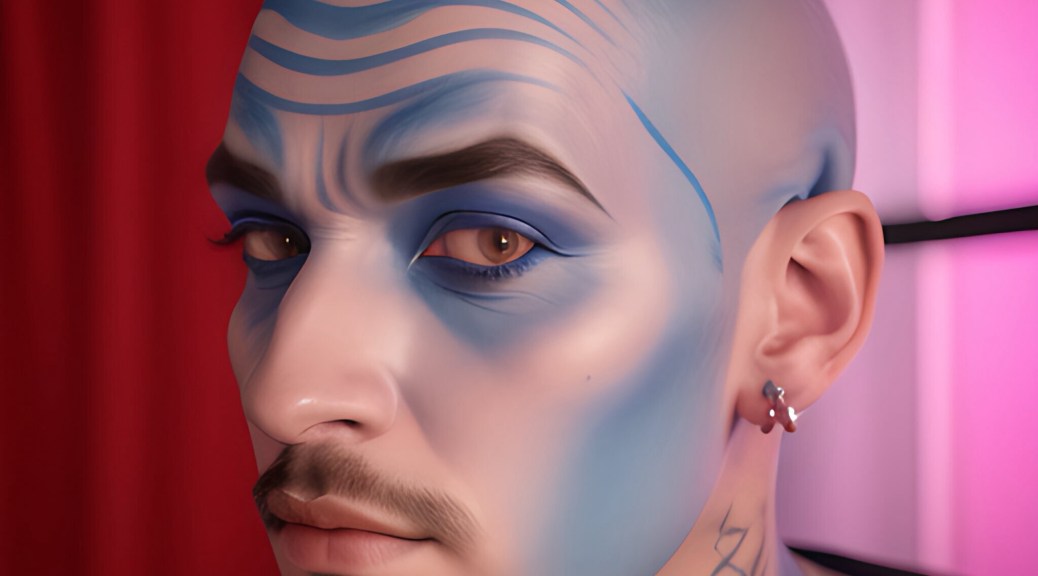
AI can generate life like images. It’s getting scary good, but still somewhat easy to see through. I can see many negatives if this fell into the wrong hands. Possibly even accidentally forcing nuclear war. AI porn could destroy relationships, even worse, AI child pornographers could accidentally make an image that looks like a local child. Imagine finding a news article on a bust and noticing something that resembles your child? Especially if you were at work and you thought your child or children were at school. I can only imagine the terror. What about columbine like hoaxes? AI can be the equivalent of yelling fire in a crowded theater. It can negatively impact everyone from Joe local to an A-lister.

That said, AI can also provide a lot of good, including not existing footage of what the Gettysburg address might have been like, to what Mars might look like. The sky is the limit.

Yet, The biggest problem is over celebrities and musicians. I’ve mentioned this before, but Flynt vs Falwell 1984, states that, if something is believable, it isn’t covered under the first amendment protection and is considered slander or libel, regardless of being a public figure or not. Right now, some of the music out there is very believable

This is where the battle is going to be fought, vocal rights, which are retained by the performers, unless otherwise owned by the recording studios. Anything not considered parody or satire will lose in court and the future of music is saved. Besides, AI can’t copyright its own music, essentially making all works in your likeness, public domain. Meaning the performers could legally rip off the songs and profit from it.

While there is a lot more nuance to this issue and I barely scratched the surface, I do not believe celebrities are in danger of major financial disaster anytime soon. Now the things posted to TMZ on the other hand!

Further proof AI is still hit or miss

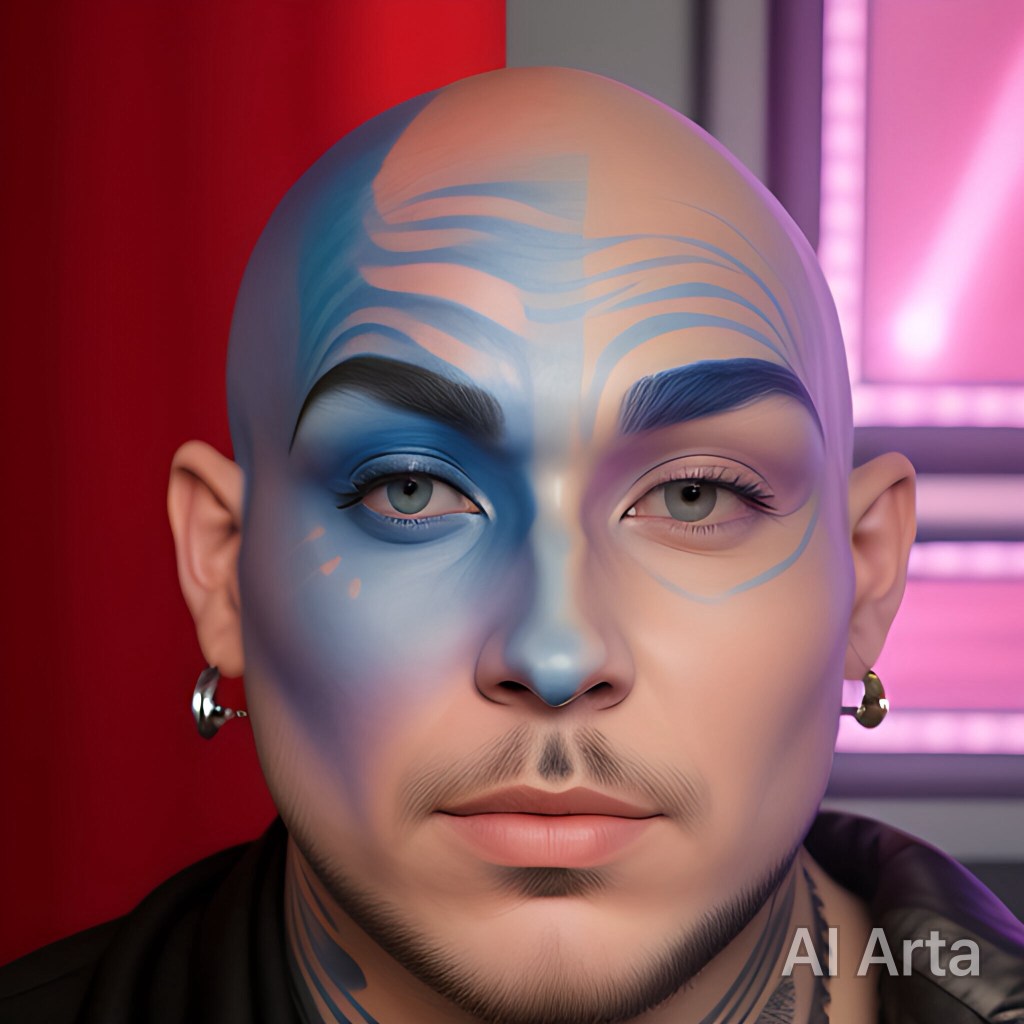
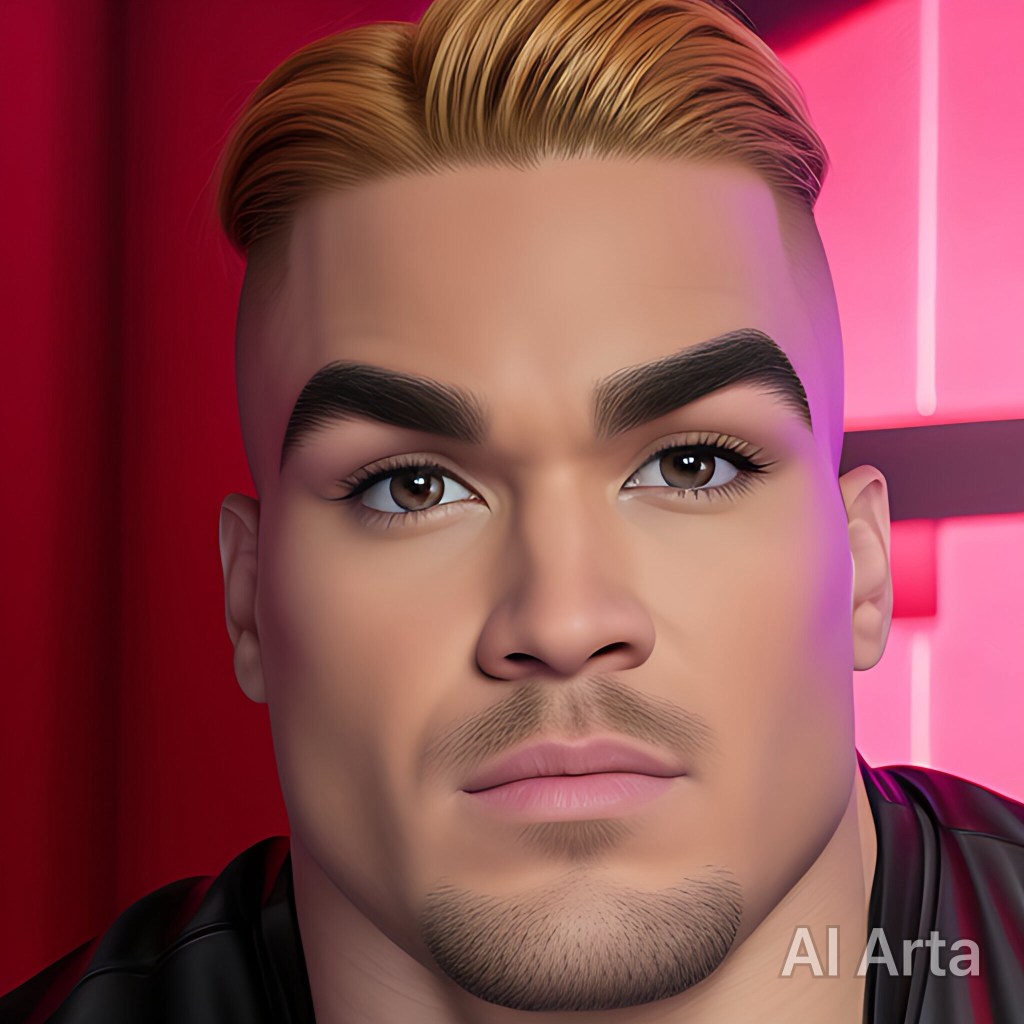
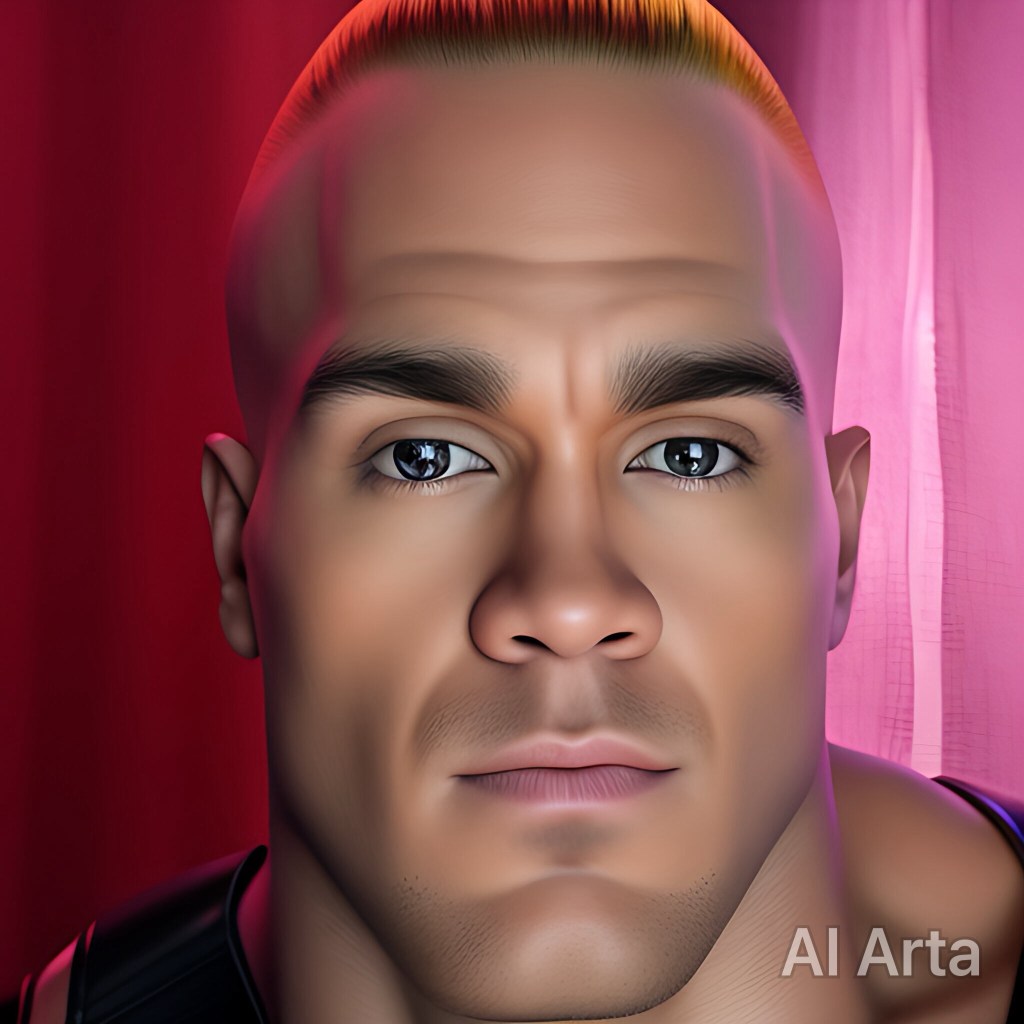
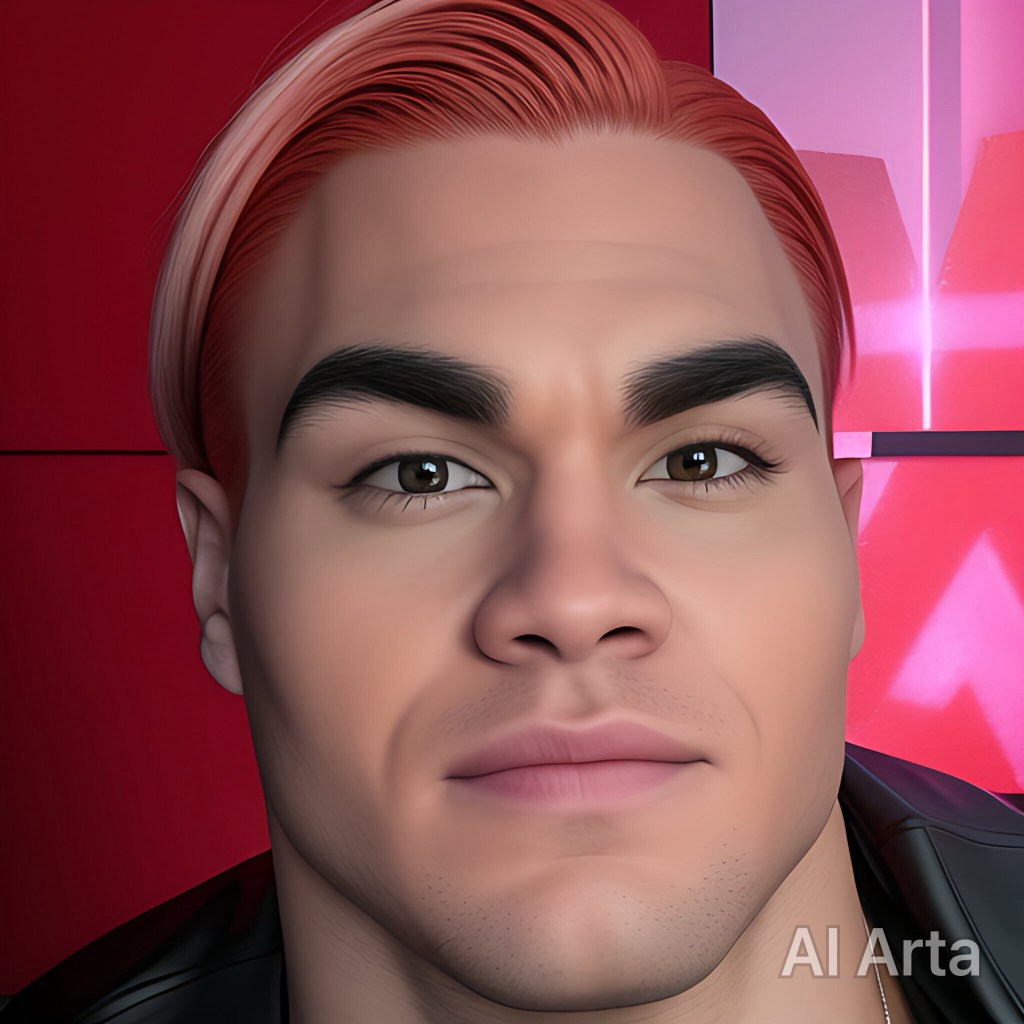
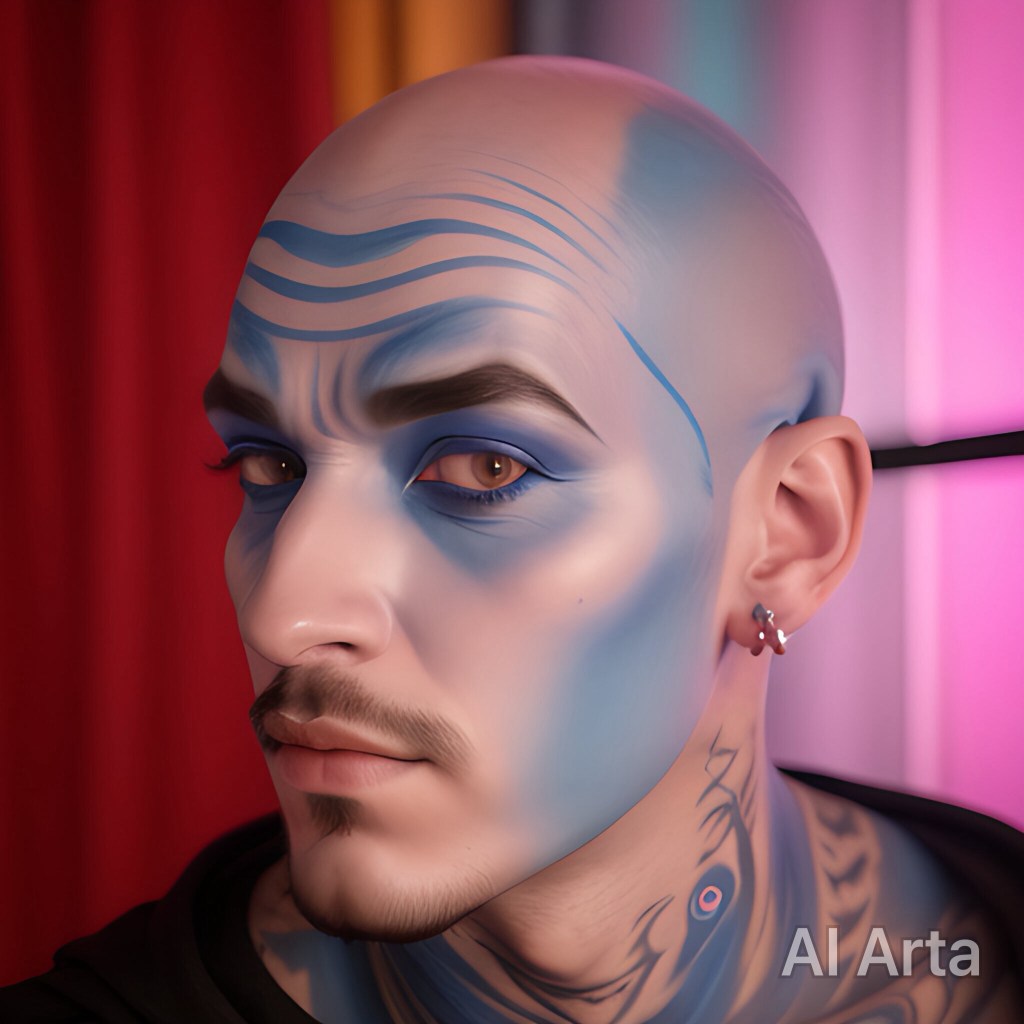
Asked AI to make me as a WWE superstar. Made me Dolph Ziegler’s and Natalya’s love child. Where’s my first match vs Shrek? Book it, WWE! lol
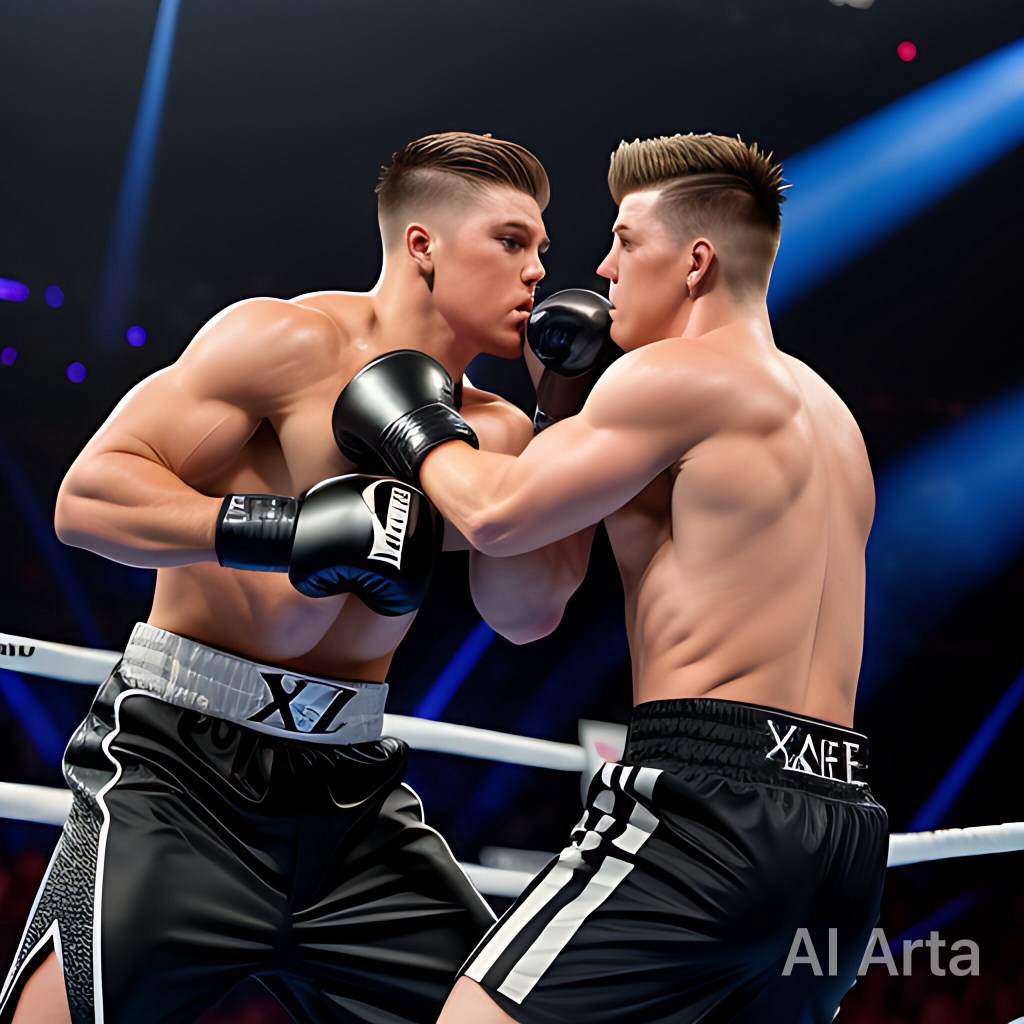
Asked it to show me vs the miz. Apparently when I’m not looking for Shrek, I’m Sammy Gauva. AEW owes me money for merch sales. lol
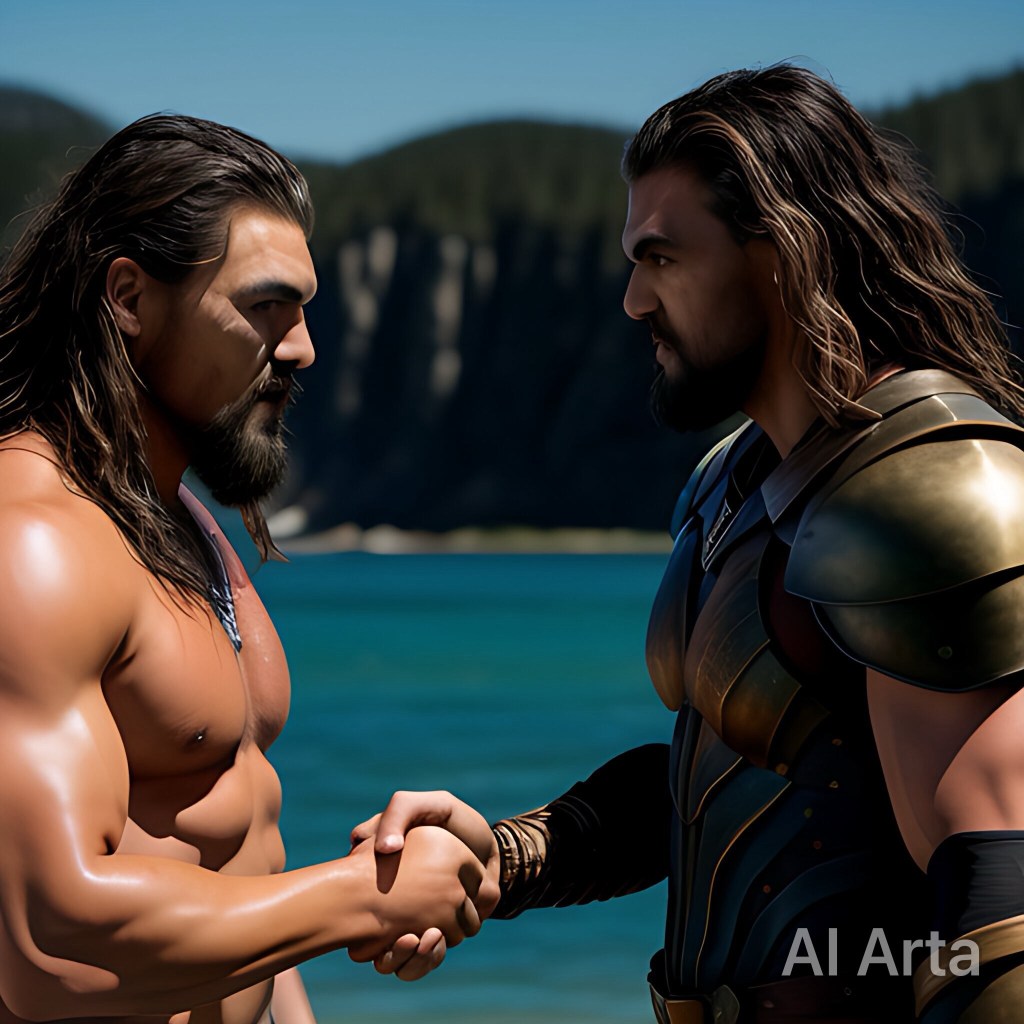
Asked it to show Roman Regins meeting Jason Mamoa. It’s fucking Aquaman meeting himself.
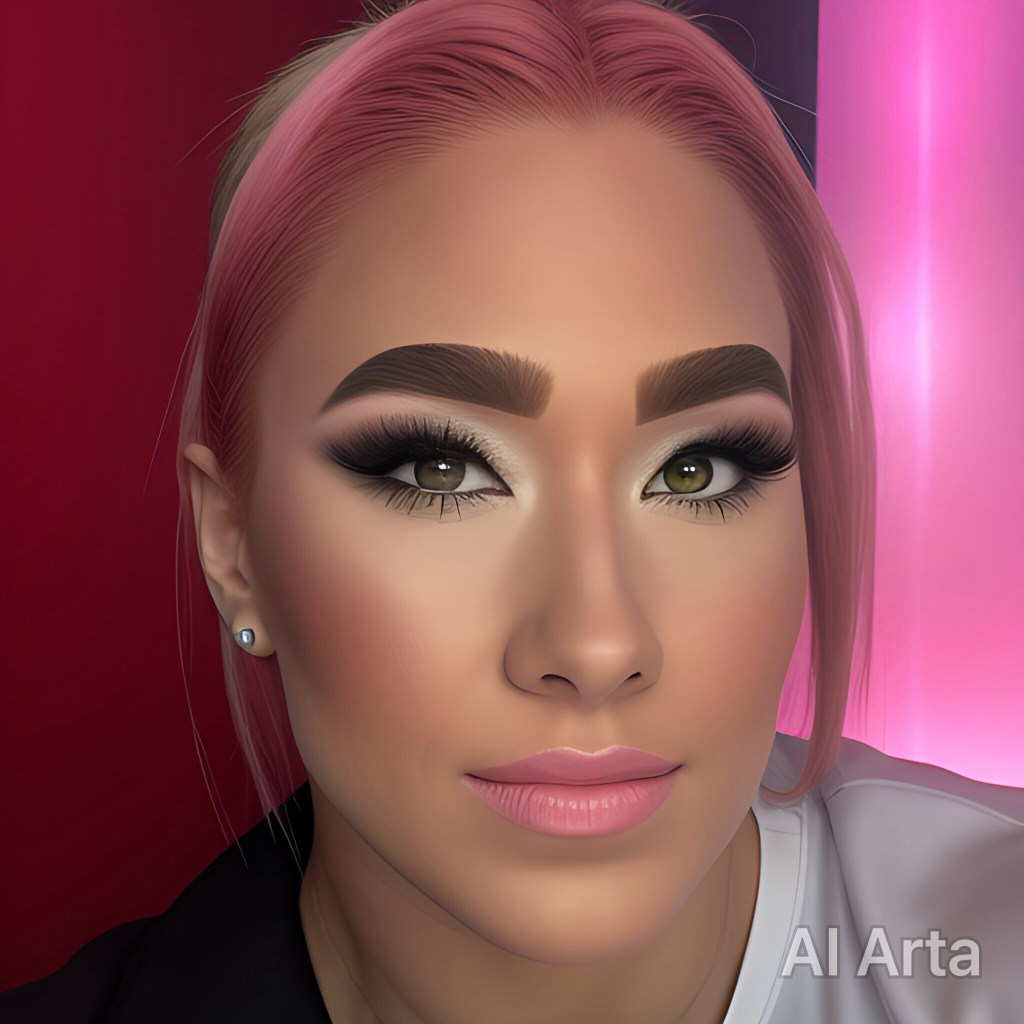
Asked it to make me a WWE superstar. It made me Eva Marie. Only thing it got right was neither of us can wrestle.
Me! Seems legit
Me, as a wrestler. Pretty sure WWE gonna get sued by PlayStation. I am the God of bore!
The. Brock Lesnar! If you smell the F5 coming. Looks exactly like me!

Random results. Snapchat filters are more legit than AI.